
PMB Export Quotations Matched to Your Project Specification
Polymer modified bitumen exporters should quote against a project specification, not just a product name. Two binders sold as “PMB” can differ in base bitumen, polymer type, polymer content, and declared properties.
Send us your PMB specification and shipping requirements. We will review them and explain what we can offer against the specified designation, standard, and edition. In addition, the quotation will state the applicable packing, commercial terms, and documentation.
What Polymer Modified Bitumen Is
PMB is bitumen containing one or more polymers dispersed through the base binder to change selected properties. Elastomers such as SBS (styrene-butadiene-styrene) are widely used in road-grade PMB. By comparison, plastomers such as EVA behave differently and serve other formulation requirements.
Depending on its formulation, PMB can improve resistance to deformation at high pavement temperatures and flexibility at low temperatures. Elastomer-modified grades may also recover part of their deformation after loading. However, these properties are not automatic; the technical data sheet and test results must demonstrate the performance of the offered binder.
For a full introduction, see What is polymer modified bitumen?
Where PMB Is Specified
Engineers specify a modified binder when conventional paving bitumen may not deliver the performance required for a pavement. Typical applications include:
- Motorways, expressways, and freight corridors with heavy, repeated axle loads
- Junctions, bus lanes, and toll plazas, where traffic slows or stands
- Airfield pavements whose design calls for a modified binder
- Bridge-deck surfacing and thin overlays
- Stone mastic asphalt and porous or open-graded mixes
However, PMB is not automatically suitable for every application. Its suitability for a particular pavement layer depends on the pavement design. We therefore quote against the binder specified for your project.
PMB Grades and Specification Systems
PMB has no single universal grade number. Instead, its designation depends on the specification system named in the project documents. As a result, a designation in one system does not automatically represent an equivalent grade in another.
| System | What it classifies by | How designations are written |
| EN 14023 | A European framework for polymer modified bitumens: nominal penetration range plus a minimum softening-point class, with further properties selected by the specifier | e.g. PMB 45/80-60 |
| IS 15462 | The Indian Standard for PMB; the 2004 and 2019 editions use different designation schemes | 2004: e.g. PMB 76-10 |
| AASHTO M 320 / ASTM D6373 | Performance grading: rheological test (DSR, BBR) at the pavement design temperatures, on original and aged binder | e.g. PG 76-22 |
| AASHTO M 332 / ASTM D8239 | Performance grading with the MSCR test, adding a traffic level: S, H, V, or E | e.g. 64E-22 |
| National or project specification | Requirements set by a road authority or content | As written in the contract |
Three points matter when comparing PMB export offers:
- An EN 14023 designation identifies the penetration range and softening-point class. Other properties, including elastic recovery, cohesion, and storage stability, apply when the specification requires them.
- IS 15462:2019 designations may resemble PG grades. However, the Indian Standard defines its requirements independently of AASHTO performance grades.
- A PG grade describes binder performance, not its composition. Therefore, a PG binder may or may not contain polymer. If your project also requires polymer modification, state that requirement in your enquiry.
Do not assume that grades from different systems are equivalent. Instead, where a specification permits an alternative, use supporting test data to demonstrate compliance. See EN 14023 PMB classification explained and PMB vs PG bitumen.
EN 14023 Ranges in Tiger Bitumen’s PMB Range
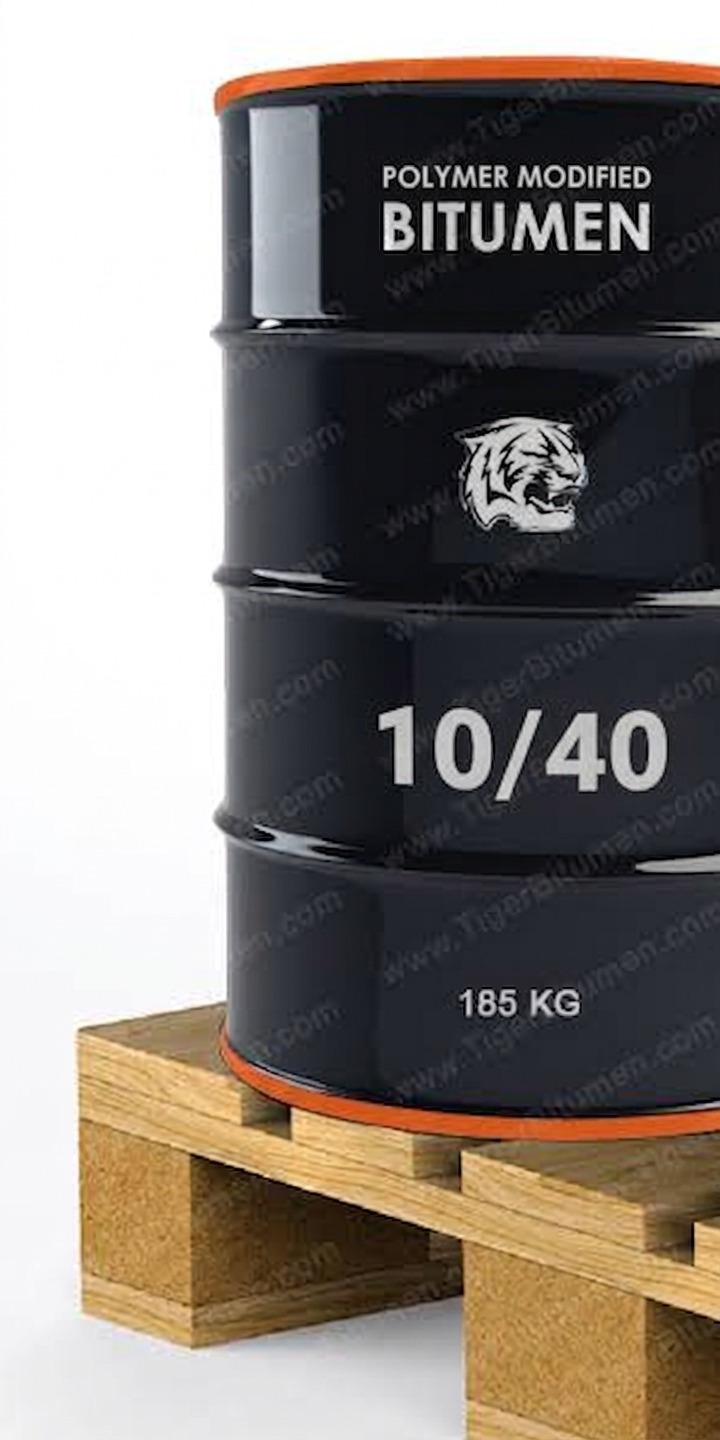
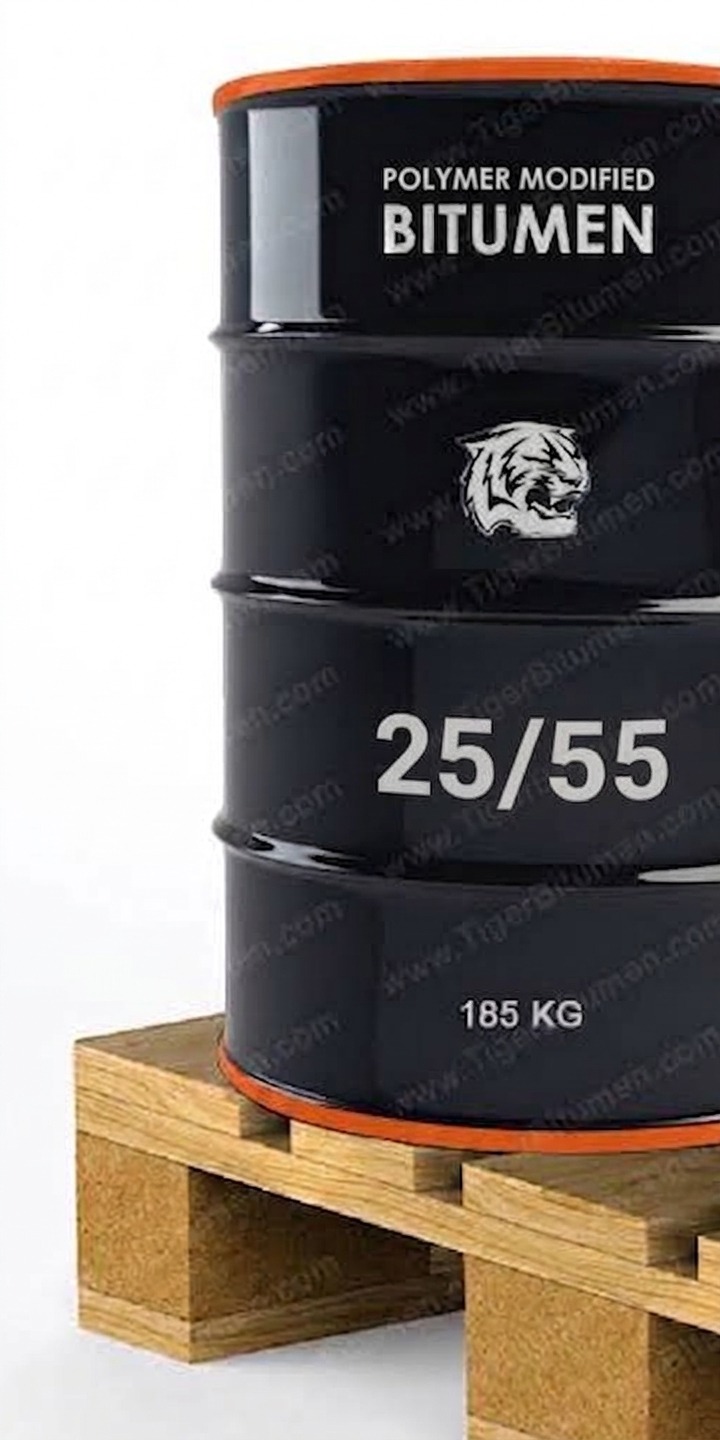
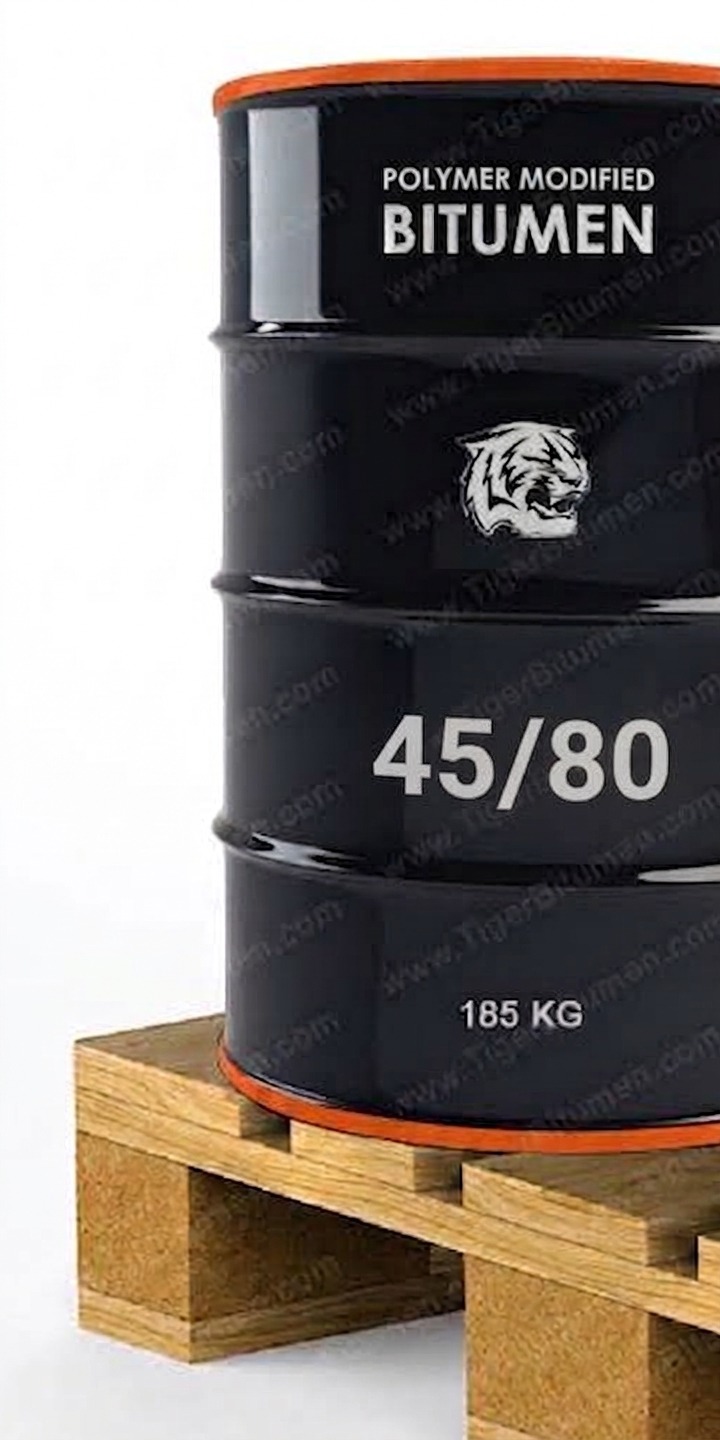
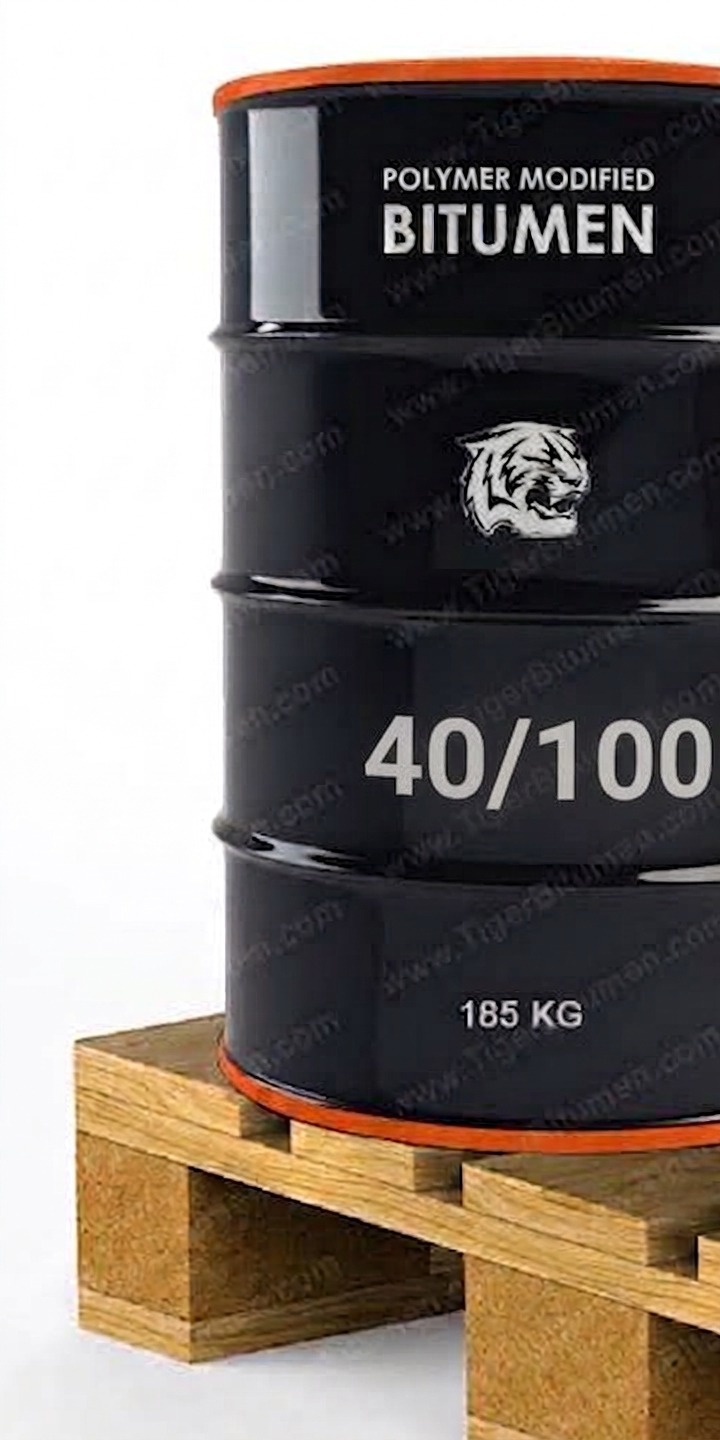
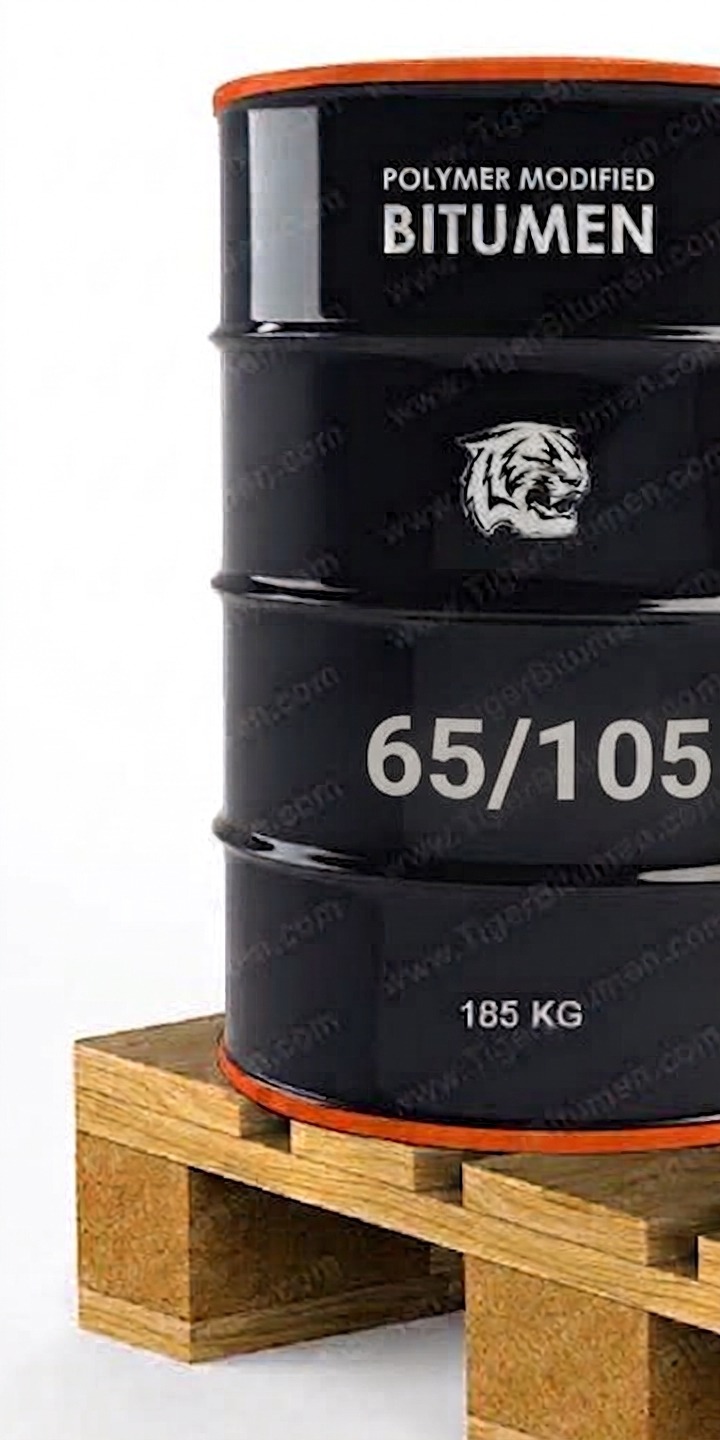
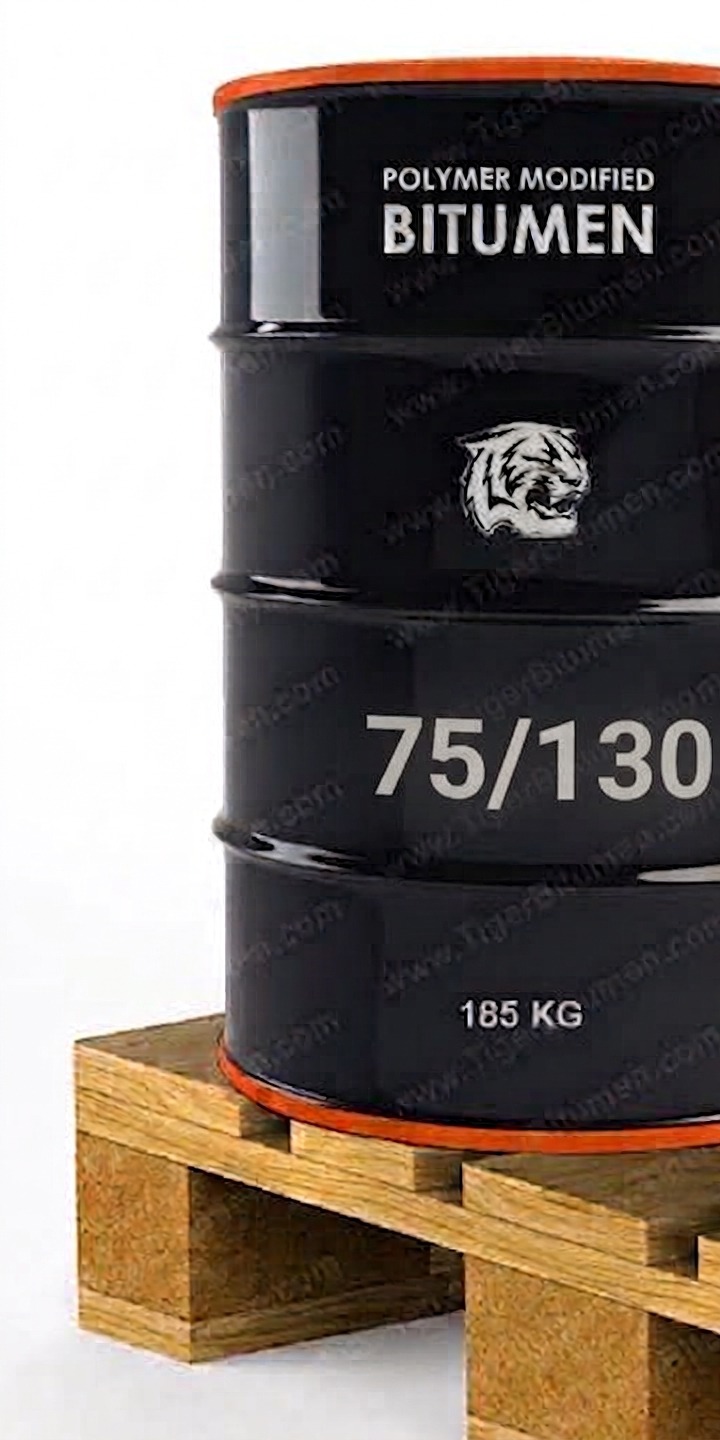
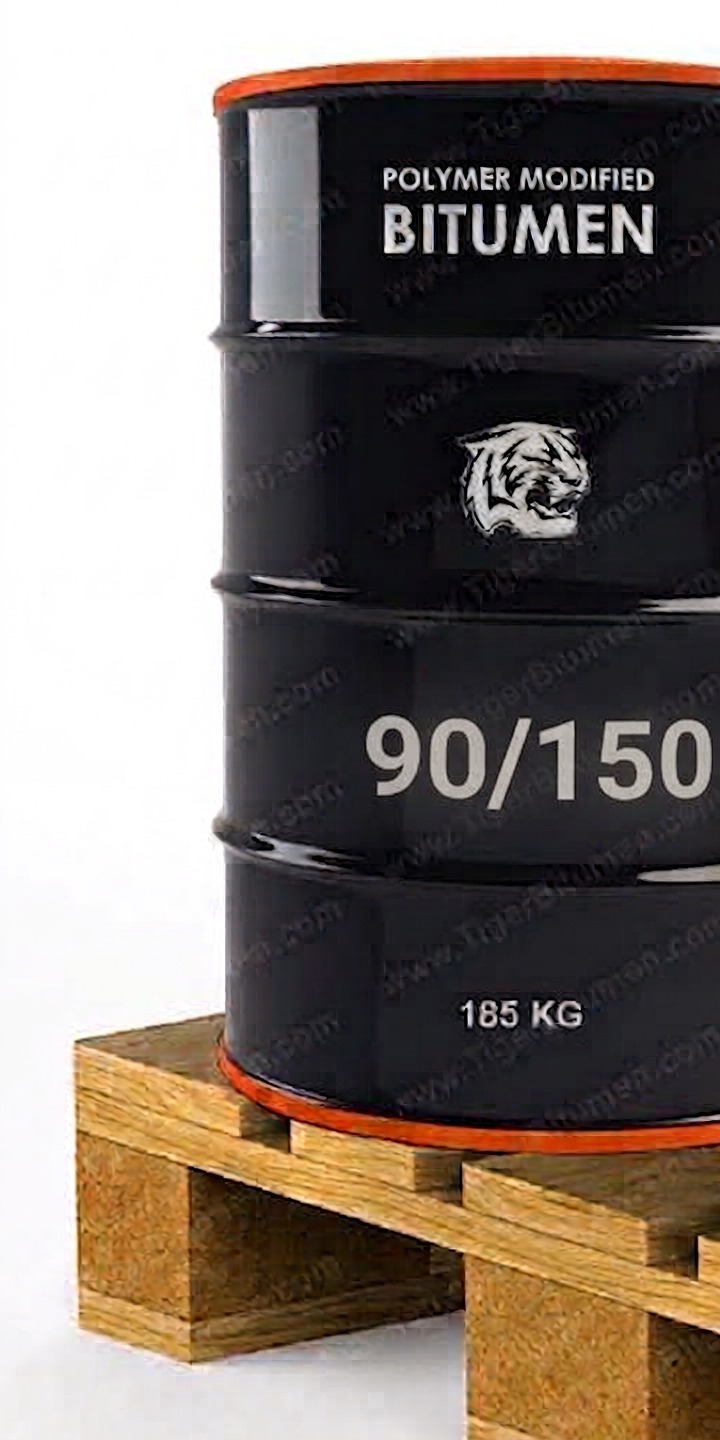
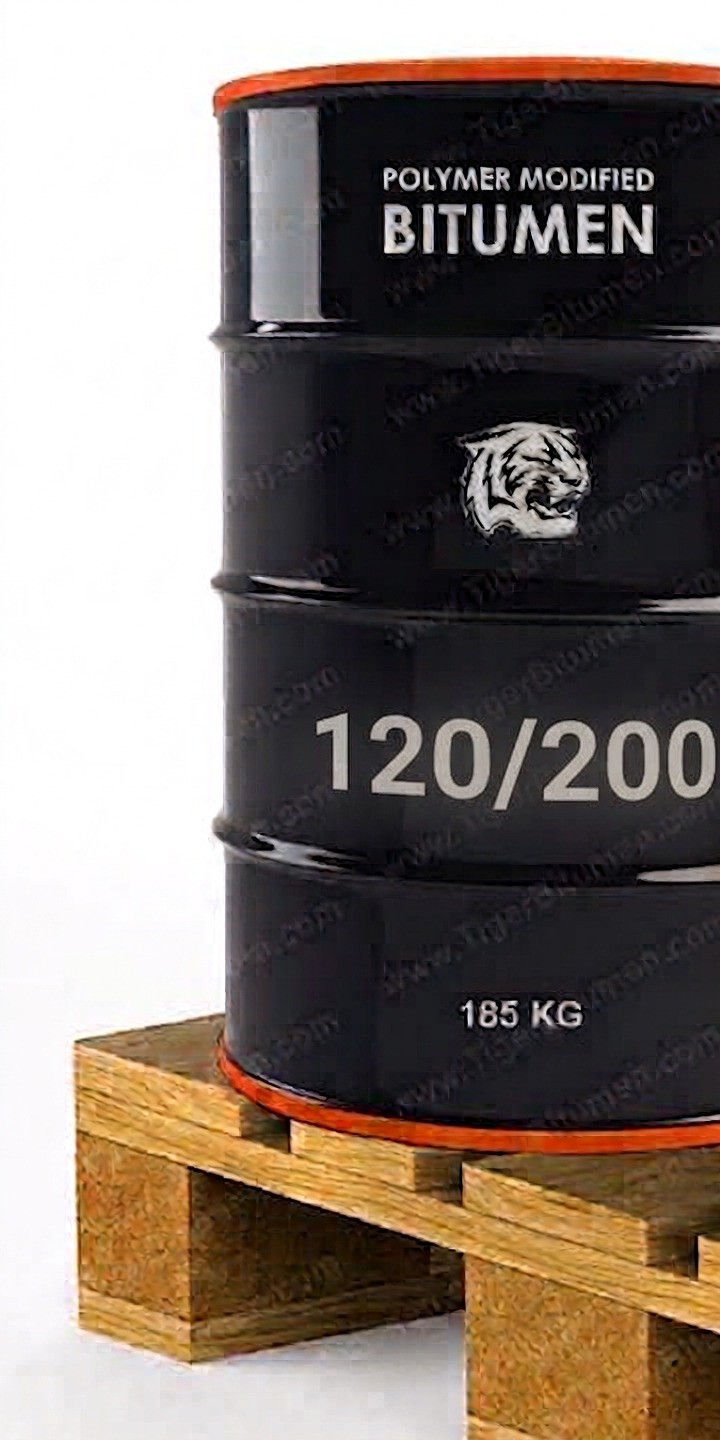
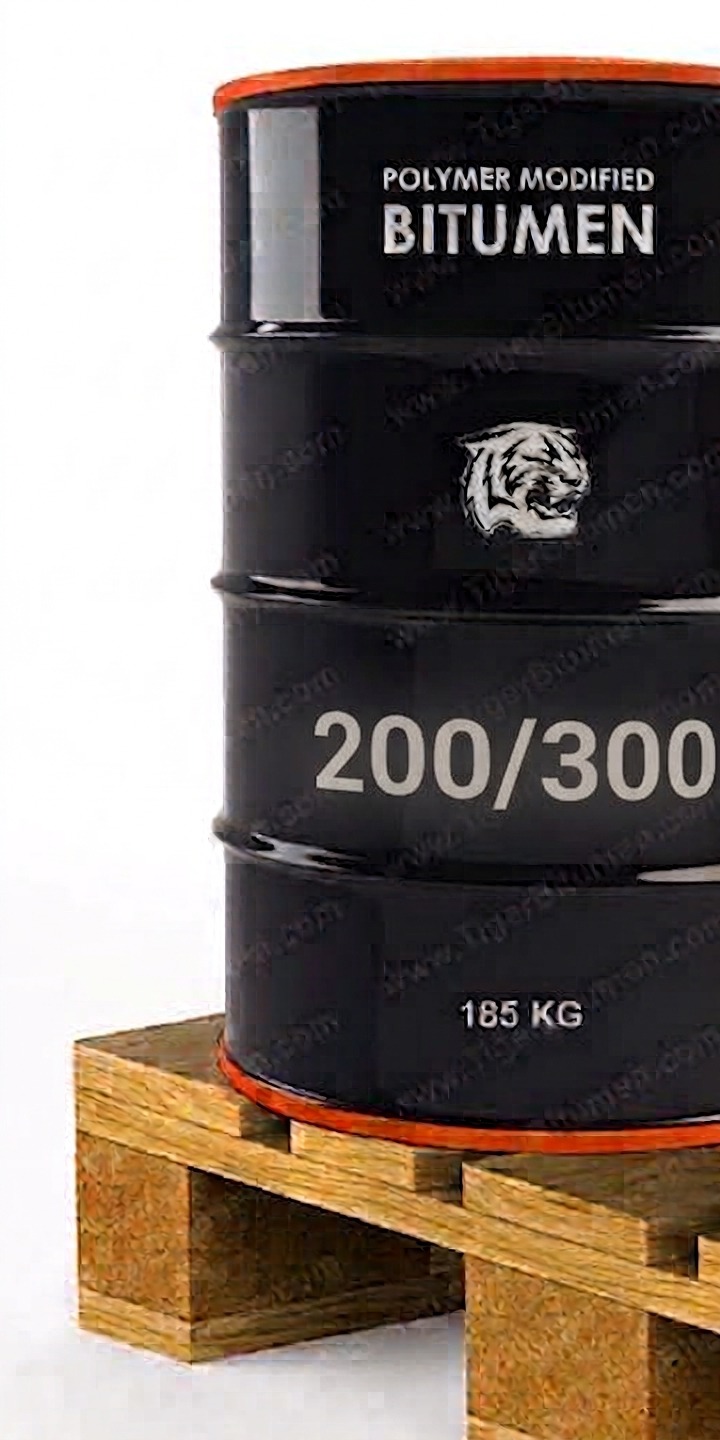
Tiger Bitumen’s existing PMB range is listed against nine EN 14023 nominal penetration ranges, measured in 0.1 mm at 25 °C. However, each range represents only part of a complete designation. The quotation must therefore state the full designation that can be offered against your project requirements.
If your specification calls for an unmodified binder, see penetration grade bitumen. Alternatively, if it specifies a PG grade, see performance grade bitumen.


Documents to Request With a PMB Offer
For PMB, the documents help demonstrate whether the offered binder meets the project specification. Therefore, request the relevant documents with every PMB offer. Our quotation will also state which documents apply to the order.
| Document | What it should show |
| Technical data sheet (TDS) | The offered designation, the standard and edition, declared properties with test methods, and storage and handling temperatures |
| Certificate of analysis (COA) | Measured results for the batch being shipped, with test methods and a batch reference |
| Safety data sheet | Hazards, safe handling, storage and transport for the offered product |
| Inspection report, if specified | What the inspector sampled, witnessed, or tested, within the agreed scope |
| Shipping documents | Commercial invoice, packing list, certificate of origin, bill of lading |
When a COA arrives, check that it reports every property required by your specification. Also confirm that each result identifies its test method and that the batch reference matches the cargo. For more guidance, the PMB TDS and COA checklist explains what each document can and cannot prove.
Third-Party Inspection
You can request inspection by an agency such as SGS or Bureau Veritas, or appoint your own inspector when submitting your enquiry. Before confirming the order, agree on whether inspection applies and define its scope. For example, specify the samples to be drawn, the tests to be performed, and the laboratory to be used.
The SGS reports published on this site cover conventional penetration-grade loadings. Therefore, do not treat them as evidence of PMB compliance unless the relevant report explicitly covers the offered PMB product and specification.
Packing and Shipping PMB
Packing
Packing for PMB is agreed for each enquiry and stated in the offer. As polymer modified bitumen exporters, we confirm the packing arrangements against the offered grade and its handling requirements. Packing used for conventional bitumen does not automatically apply to a modified binder. Instead, the drum type, fill weight, and any alternative to drums depend on the grade and its handling requirements.
For reference, the bitumen drums page shows the new steel drums used for conventional bitumen grades.
Commercial Terms
Tell us which Incoterm you need (FOB, CFR, or CIF) and provide your discharge port. Based on your requirements, the offer will state the applicable terms, loading port, estimated transit time, and price validity for that PMB quotation.
Handling Drummed PMB on Arrival
Modified binders can be more sensitive to heat exposure than unmodified bitumen. Consequently, excessive temperatures or prolonged heating may change the specified properties. Reheat drums gradually and evenly, following the maximum handling temperature and time stated in the product’s technical data sheet.
Some PMB formulations can separate during hot storage without agitation. To address this issue, EN 14023 includes supplier-declared storage requirements. For this reason, request the applicable conditions in writing for the offered product. For further details, see PMB storage stability explained, which covers why separation happens.
Destination Requirements
Some destinations require product approval, a conformity certificate, or pre-shipment inspection under a national programme. In addition, binders placed on the market under EN 14023 in the EU and EEA may require a Declaration of Performance and CE marking under the applicable construction-products rules.
Include destination-specific requirements in your enquiry. This allows the quotation to state which documents and compliance information are available for the offered product.
Frequently Asked Questions
Can you quote PMB to my tender specification?
Send the specification clause or document. We review it against the designation, standard and edition it names and reply with what can be offered. Where the specification allows alternatives, equivalence must be shown with test data.
Can I order any range listed in Tiger Bitumen's PMB range?
The nine ranges are EN 14023 nominal penetration ranges, and each is only part of a designation. The full designation, packing and terms available for an export order are stated in the quotation.
Is PMB packed and shipped the same way as conventional bitumen?
Not necessarily. PMB packing and handling depend on the grade, so they are agreed per enquiry and stated in the offer.
What documents should come with a PMB shipment?
Usually a TDS, a batch COA with test methods, a safety data sheet and the shipping documents, plus an inspection report where your contract requires one. Each quotation states which documents apply.
Can SGS or Bureau Veritas inspect a PMB shipment?
You can request third-party inspection, or appoint your own inspector, with your enquiry. Whether it applies, and what will be sampled and tested, is agreed before order confirmation.
My specification gives a PG grade, not a PMB designation. Can you quote?
Send the PG requirement as written, including the specification (AASHTO M 320 or M 332) and any separate requirement for polymer modification. A PG grade alone does not say whether a binder is modified.
How should drummed PMB be reheated?
Gradually and evenly, within the maximum temperature and time on the product’s TDS. Follow the supplier’s storage conditions if the binder is transferred to a heated tank.
Request a PMB Export Quotation
A complete enquiry gets a complete answer. Please include:
- The PMB designation, or the specification clause, with standard and edition
- Quantity in metric tons
- Destination port and Incoterm (FOB, CFR or CIF)
- Packing preference, if any
- Inspection requirements
- Documents your importer or road authority requires, including any destination approvals
- Required delivery window
